Our School
We aren’t just teaching children to pass tests. We are preparing them to be whole, happy, and capable humans.
A Paradigm Shift
Let’s be honest: the old model of education—rows of desks, standardized tests, and memorization—doesn't fit the world our kids are inheriting. At Earthbound, we are part of an education revolution. We believe education isn't just a passport to a job; it’s an ongoing process of rebuilding our communities and connecting with the planet.
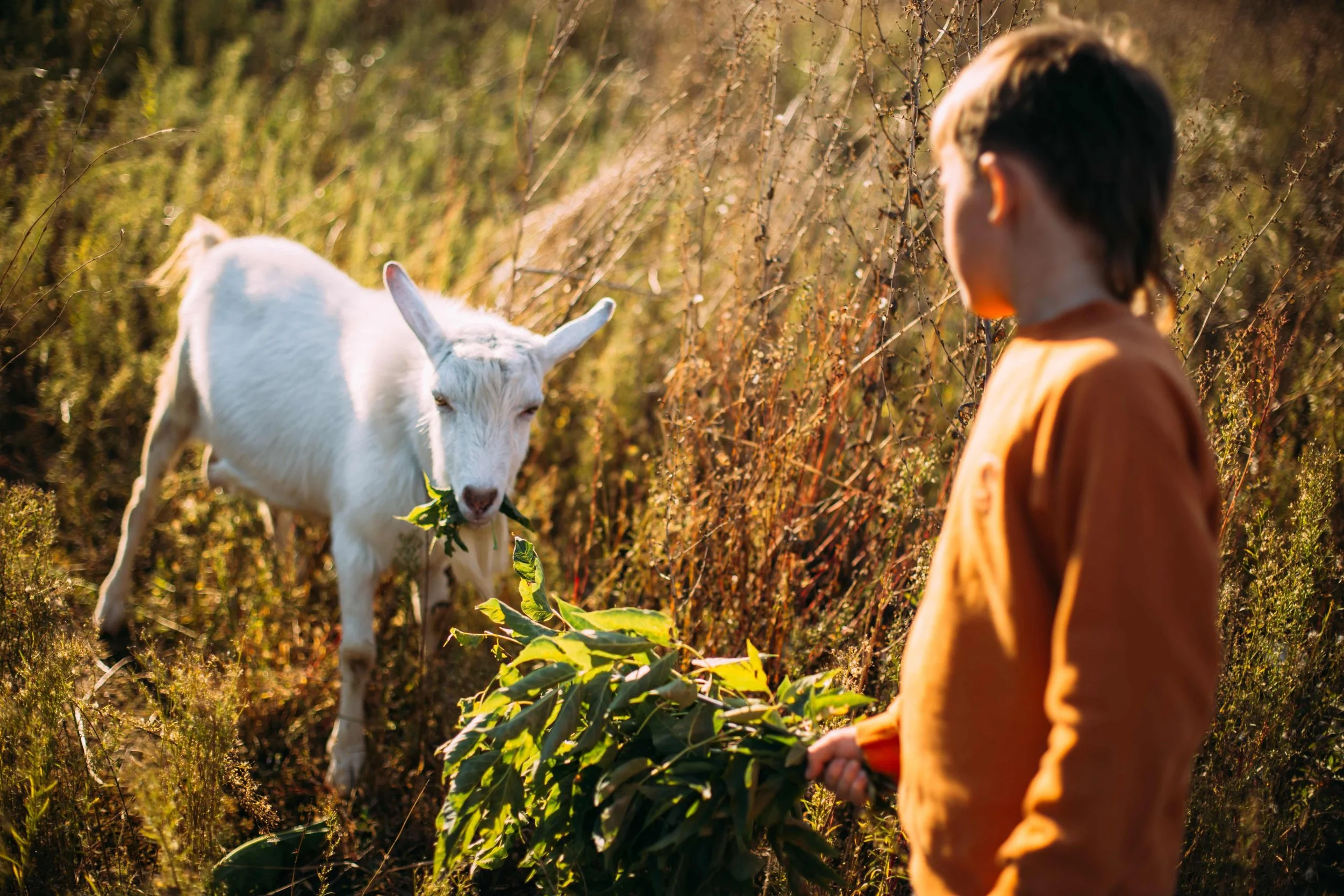
Our philosophy is "Wall-lessness." Yes, that means we spend most of our time outdoors in the wild beauty of the WWF Oasis. But it’s also a metaphor. It means taking down the walls between teacher and student, between subjects like math and art, and between the classroom and the real world. Here, teachers are mentors and co-learners, not just authority figures.
The Big Four: Educating the Whole Child
If we want kids to be successful, we have to engage every level of their being. We don’t just focus on "book smarts." Our curriculum is built around The Big Four—four complementary domains that ensure we nurture more than just academic intelligence.
-
This is the "between me and myself" work that most schools ignore. We help students understand who they are, what they value, and how they relate to the world.
The Focus: Self-awareness, resilience, and emotional regulation.
In Practice: Every day begins with mindfulness exercises like breathing or observation to ground us in the present moment. We use journaling, quiet reflection, and solo time in nature to help children build a "tool for life"—the ability to pause and respond thoughtfully rather than react impulsively.
-
We love critical thinking. This domain focuses on cognitive capacity, but we approach it through inquiry, not rote memorization.
The Focus: Researching, gathering data, debating, and synthesizing information.
In Practice: Instead of reading a textbook chapter on water cycles, we might map the local watershed, track where the water flows, and debate local water issues with community experts. We empower kids to dig deep into topics they actually care about.
-
Learning happens in community. This domain is about expression, empathy, and navigating the complexity of relationships.
The Focus: Collaboration, decision-making, and problem-solving with others.
In Practice: Whether it’s collaborating on a group build or resolving a conflict during play, we view every interaction as a learning moment. We use storytelling, drama, and circle time to help children express feelings and develop deep empathy for their peers
-
Neuroscience proves that moving our bodies helps us retain information. At Earthbound, sitting still is rarely the goal.
The Focus: Physical labor, building, moving, and using tactile materials.
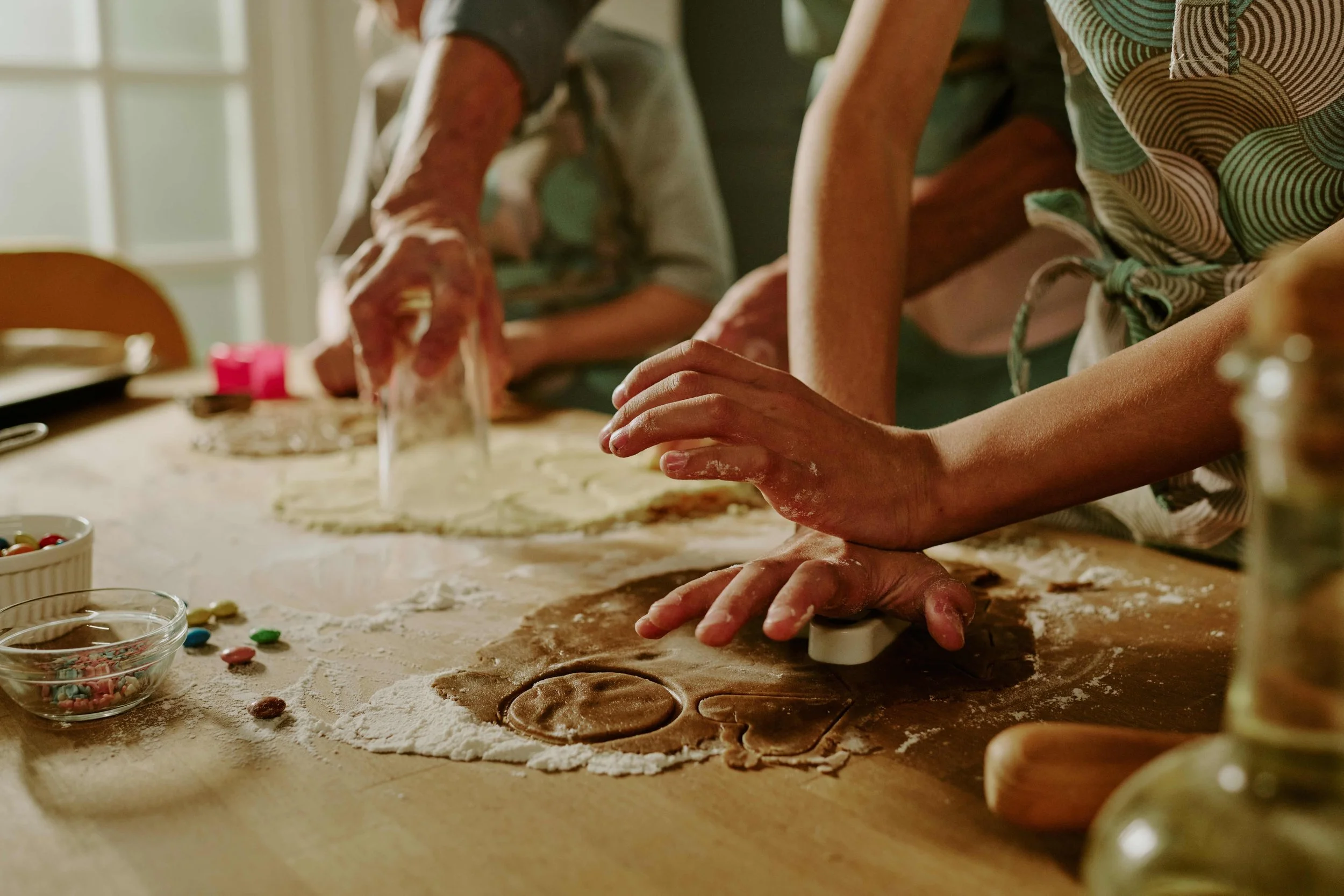
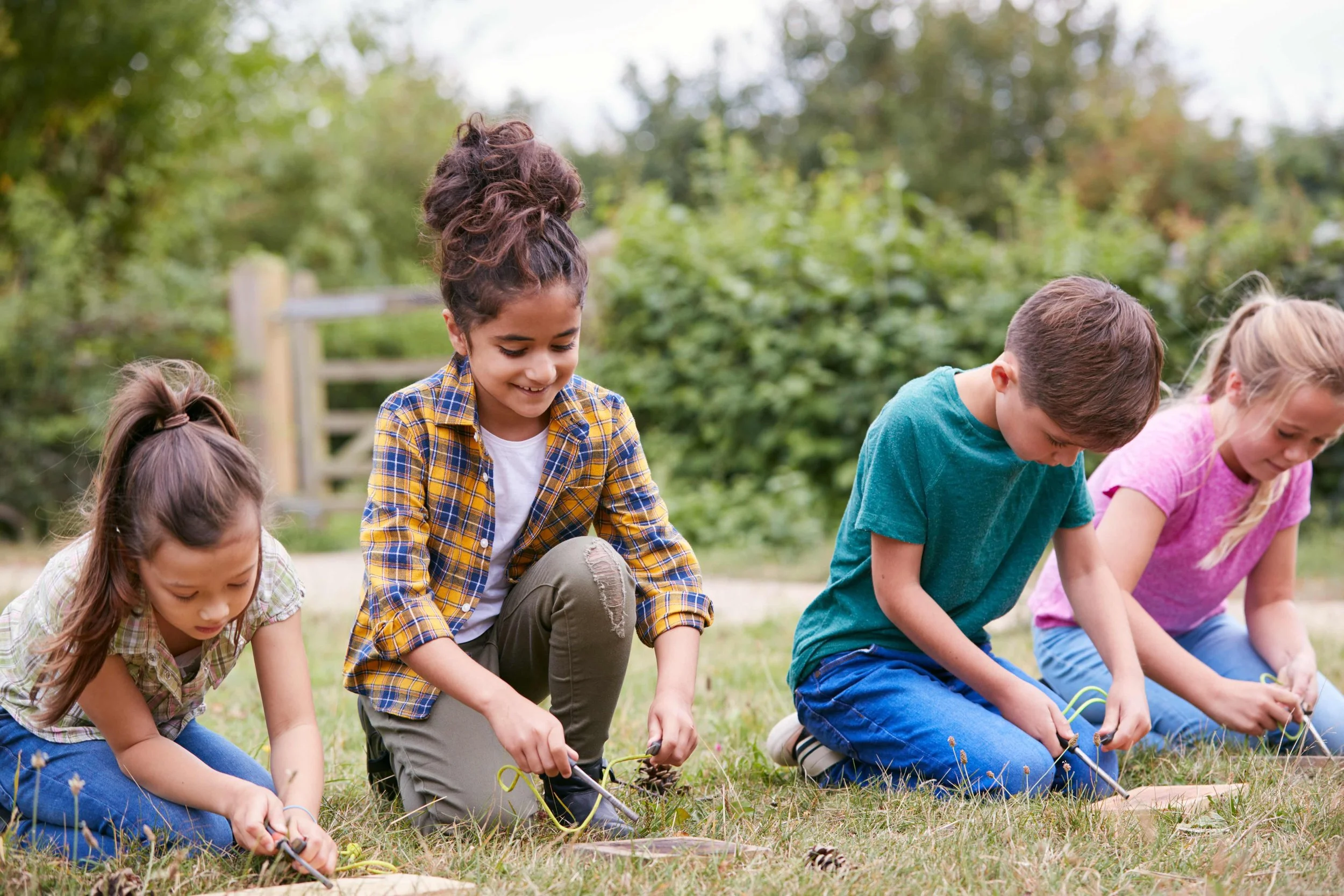
In Practice: This is "messy learning" at its best! It looks like climbing trees, gardening, carpentry in our Makers Lab, or acting out a historical event. We learn by doing because what we directly experience, we know to be true.
How We Learn: Frames, Lenses & Cycles
The Proficiency Frame
We dedicate focused time to mastering core skills like literacy, science, and math, often taking these lessons outside to build a strong foundation of knowledge.
The Experiential Frame
We learn through hands-on projects like gardening or building. Students engage in a cycle of exploring, doing, and reflecting to make learning real and relevant.
The Thematic Frame
We integrate subjects through big, interconnected themes—like "Soil" or "Energy"—to help students understand the world as a complex, unified system rather than isolated facts.
The Sustainability Lens
We apply a sustainability lens to our inquiries, guiding students to think in systems, solve real-world problems, and understand the interdependence of nature and society.
Nurturing "Ecophilia"
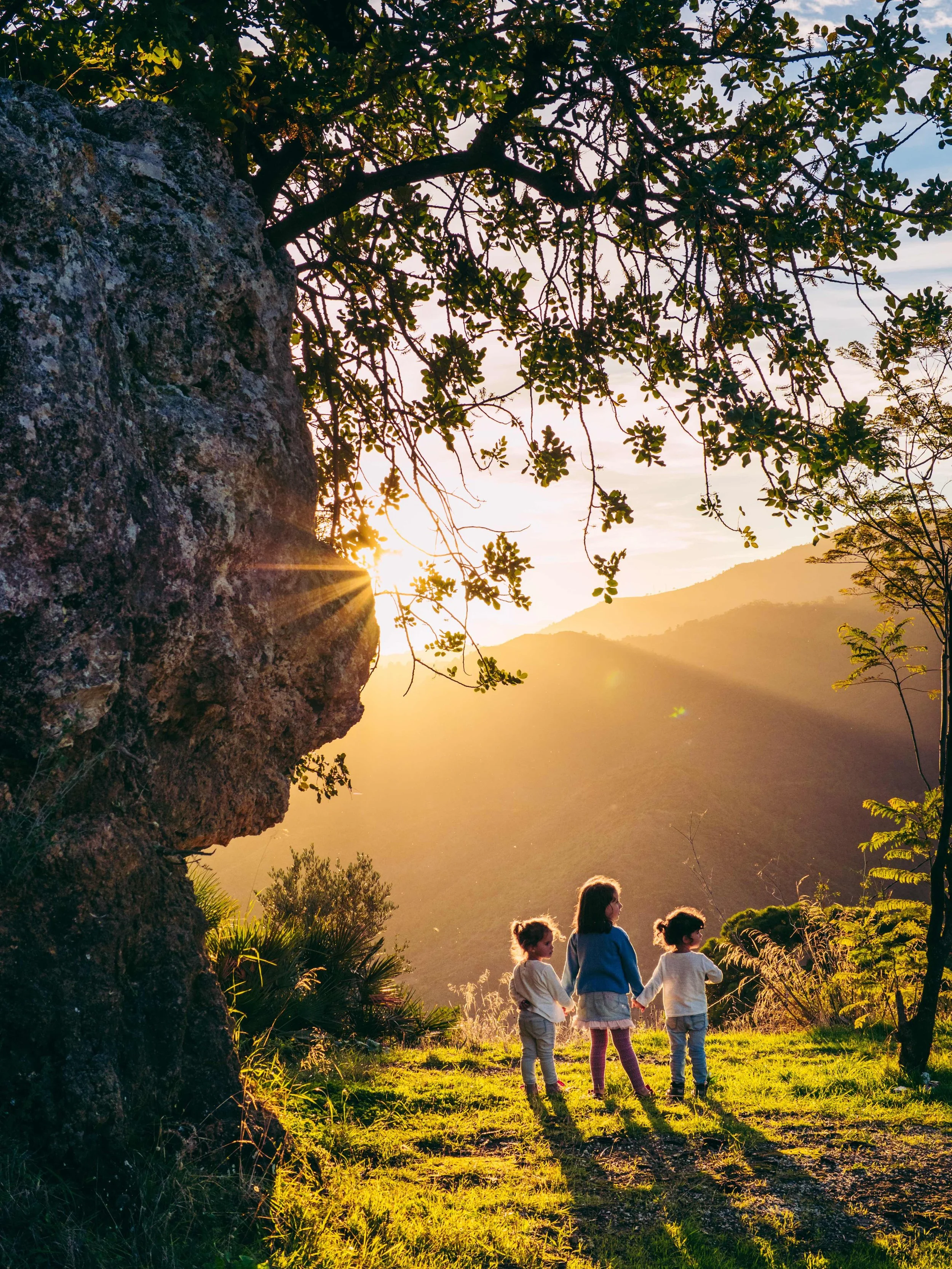
Before we ask children to save the planet, we must help them fall in love with it. This is Ecophilia—supporting a child's biological tendency to bond with the natural world.
We don't burden young kids with terrifying global problems they can't solve (ecophobia). Instead, we focus on the local and the lovable.
Ages 4-7: We cultivate empathy through animal stories, nature games, and sensory immersion.
Ages 8-10: We focus on exploration—mapping the local woods, building forts, and understanding our immediate landscape.
By using Permaculture principles (like "Observe and Interact" or "Produce No Waste"), we give them a lens to solve problems creatively
A Mixed-Age Community
We deliberately use mixed-age classrooms (Ages 4-5, 6-7, 8-10) with a low teacher-student ratio of about 1:6. This mimics a healthy village dynamic. Older students solidify their learning by mentoring younger ones, and younger students see what’s possible.
We believe that if we trust children, give them space to explore, and guide them with genuine respect, they will become the creative, unique leaders the world is waiting for.
Il Dolce Vita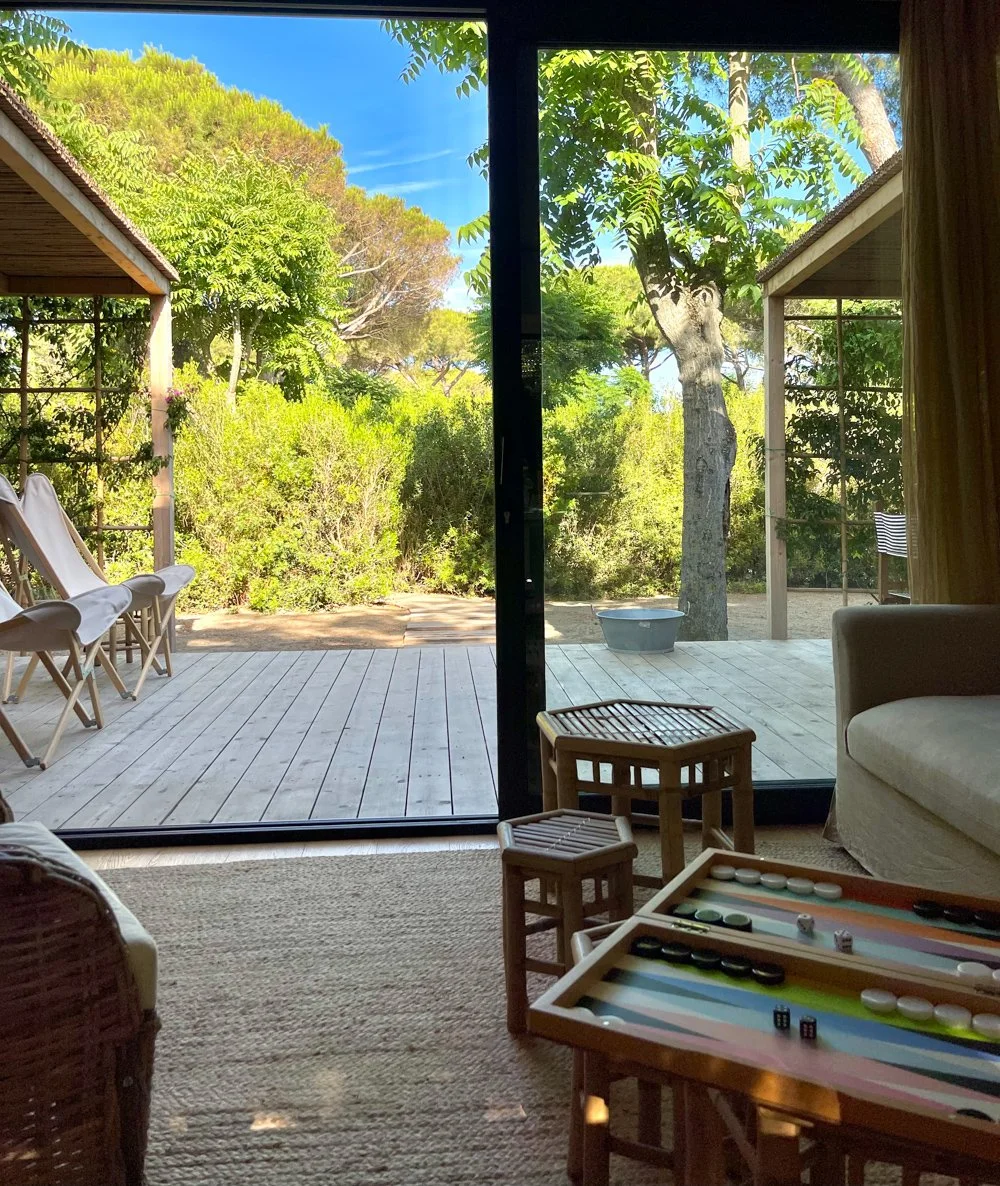
Next: the Lifestyle
Learn about how you’ll live day-to-day